Structural Drying in Mayville, NY
Fans in the doorway won't dry a wet wall. Structural drying uses commercial dehumidifiers, air movers and daily moisture readings to dry framing, subfloors and drywall all the way through. One call connects you with an independent, licensed and insured pro around Mayville.
- Daily moisture & humidity logs
- Licensed & insured independent pros
- 24/7 dispatch
Why Callers Trust Water Damage Westchase for Structural Drying in Mayville, NY
Structural drying is part science, part patience. The goal is to bring wet building materials back to their normal moisture level, called the dry standard, without leaving hidden moisture that leads to mold or over-drying materials until they crack. That takes the right equipment, the right setup and someone checking readings every single day.
Measured Drying, Not Guesswork
Pros record moisture readings and air conditions on the first visit and every day after, so you can see exactly how drying is progressing and when it's done.
Upfront Equipment Pricing
Drying is usually billed per piece of equipment per day, plus monitoring visits. You'll see the equipment count and expected drying days on a written estimate.
Fast Local Dispatch
Wet framing and subfloors start growing mold within days. Calls are routed in minutes to an independent pro working near Mayville.
Licensed & Insured Independent Pros
The contractors we route calls to carry their own licenses where required and their own insurance. Ask to see both before equipment is set.
When structural drying is needed
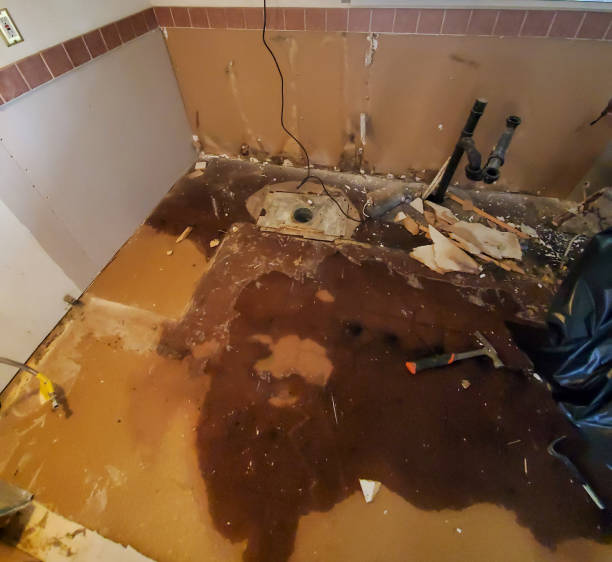
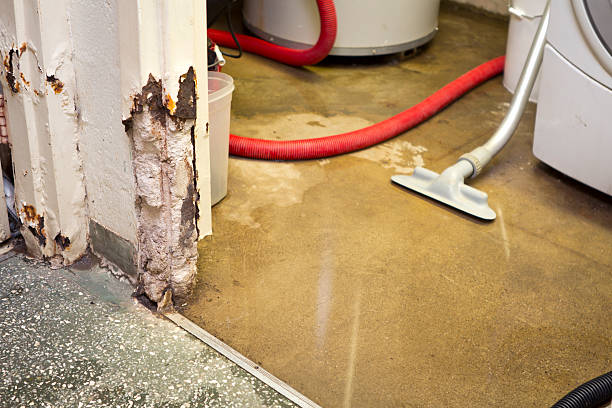
- Walls read wet behind the baseboards after a leak was cleaned up
- A subfloor got soaked under carpet, tile or vinyl plank
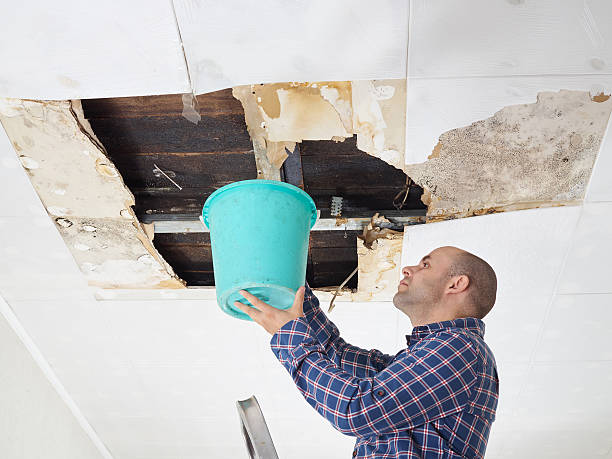
- Water ran down inside walls from an upstairs bathroom or roof leak
- A concrete slab or basement floor is still damp days later
- Hardwood flooring is cupping and the subfloor underneath is wet
Professional Structural Drying in Mayville
Every building material dries differently. These are the main drying methods independent pros use, and the situations each one is suited for.
LGR Dehumidification
Low-grain refrigerant dehumidifiers pull large volumes of moisture from the air, keeping humidity low so wet materials can release their water. They're the backbone of most drying jobs.
Desiccant Drying
For cold spaces, large commercial areas or very dense materials, desiccant units dry air to much lower humidity than refrigerant units can.
Air Mover Placement
High-velocity air movers are positioned along wet walls and floors to speed evaporation at the surface. Placement and angle matter more than how many fans you use.
Wall Cavity Drying
Small holes drilled behind baseboards let dry air be pushed into the wall cavity, drying studs and insulation without removing all the drywall.
Hardwood & Subfloor Drying
Panel mat systems pull moisture up through hardwood and subfloors, often saving flooring that would otherwise need to be replaced.
Concrete & Masonry Drying
Slabs and block walls hold a lot of water and release it slowly. Focused dehumidification and sometimes heat help move them toward normal moisture levels.
How a Drying Pro Sets Up a Drying Chamber
Professional drying starts with a simple idea: control the air, and the materials will follow. The pro begins by measuring temperature, relative humidity and the amount of moisture in the air (often recorded as grains per pound). Those numbers, along with readings from wet and dry materials, tell them how much dehumidification the space needs.
Next, they create a drying chamber by closing doors or hanging plastic sheeting to contain the wet area. That way, the dehumidifiers dry only the space that needs it instead of the whole house. Air movers are placed to sweep air along the wet surfaces, and dehumidifiers are positioned to capture the moisture-laden air.
Then comes daily monitoring. Each visit, the pro takes the same readings at the same marked spots and compares them to the dry standard. Equipment gets moved, added or removed as the job progresses, and areas that dry faster are released so the household can use them again. Pulling equipment too early leaves hidden moisture behind, while running it too long can over-dry wood and cause cracking or gaps. The log tells the pro when to stop.
Walls or floors still wet?
Get connected with an independent structural drying pro around Mayville now.
How Structural Drying Help Gets to You
Drying takes a few days. Getting it started takes one call.
Call Dispatch
Call +1-844-499-0972 and tell the dispatcher what got wet, when it happened and what's already been done. That helps route the right pro with enough equipment.
Rapid Mobile Arrival
An independent contractor near Mayville arrives with meters, a thermal camera and drying gear, ready to set up the same day.
Expert Assessment & Quote
They map moisture, take baseline air readings, explain how many days drying should take and give you a written estimate covering equipment and monitoring.
Resolution & Final Walkthrough
Equipment runs around the clock with daily readings. Once materials reach the dry standard, equipment comes out and you get the drying log for your records.
Stories From Recent Structural Drying Calls
Another company left fans running for two days and called it done. Our walls still smelled musty. The contractor we got through this line took readings, found the bottom plates were still wet, and dried them properly with daily checks. Smell's gone.
Andre T.Homeowner, Mayville, NYI liked seeing the drying log every day. Numbers going down, clear target, and he pulled the equipment exactly when the readings hit dry. No guessing.
Kathy S.Homeowner, Mayville, NYOur hardwood was cupped after a dishwasher leak. They used drying mats and a dehumidifier for four days and most of the boards flattened back out. Saved the floor.
Michael B.Homeowner, Mayville, NYWater got into the subfloor of our second-story unit. They dried it from below through the ceiling cavity and from above with mats. Very methodical.
Linda P.Landlord, Mayville, NYStructural Drying Questions From Mayville Property Owners
How long does structural drying take?
Typically three to five days for a home. Dense materials like hardwood, plaster and concrete can take longer, and cold or humid weather can slow things down. The pro will give you an estimate after the first readings and update it as drying progresses. You'll see progress in the daily moisture log.
Can I turn off the drying equipment at night?
It's best to leave it running. Drying works by keeping humidity low around the clock. Turning equipment off lets moisture build back up in the air and in materials, which can add days to the job. If noise is a problem, ask the pro whether some units can be adjusted or moved. It's a few days of noise for a properly dried home.
Why is it so warm in the drying area?
The heat is part of how drying works. Warm, dry air pulls moisture out of materials faster. The room may feel uncomfortable, but it's normal. Keep doors to the drying area closed so the chamber stays effective.
How do you know when the structure is dry?
Readings in the wet area are compared to a dry standard from an unaffected area. Once the wet materials match that standard, they're considered dry. That's recorded in the drying log. Ask to see the log before equipment is removed.
Will drying use a lot of electricity?
It does add to your electric bill for the days the equipment runs. Each dehumidifier and air mover draws power, and a large job can use several circuits. The pro will spread equipment across circuits to avoid tripping breakers. If you have an insurance claim, ask your adjuster whether the added electricity cost can be included. Save the bill just in case.
Do you need to tear out drywall to dry the walls?
Not always. With clean water caught early, many walls can be dried in place using wall cavity drying systems. If the water was contaminated, if insulation is soaked or if the wall has a vapor barrier that traps moisture, removing some drywall may be necessary. Readings will show what can be dried in place.
Where We Route Structural Drying Calls Near Mayville
Independent structural drying pros in our network cover Mayville and nearby communities, from older homes with plaster walls to new construction and commercial buildings. Just outside town? Call anyway.
Property managers and landlords can use the same number for all their properties. If a leak was cleaned up by someone else but walls or floors still feel damp, a drying pro can take readings and tell you whether more drying is needed before repairs move forward.
Zip codes covered around Mayville include 14757.